Ultimate Guide: What to Check Before Buying a Brand New or Pre-Owned R32 Engine
Buying an R32 engine, whether fresh or secondhand, requires close attention to several critical factors. Fitment compatibility with the host vehicle, engine condition, and performance specifications are vital for guaranteeing a sound investment. Moreover, examining the service history and asking the right questions can substantially affect the purchasing decision. As prospective purchasers manage these challenges, key details exist that could affect their final choice. What particular factors should they focus on to prevent expensive errors?
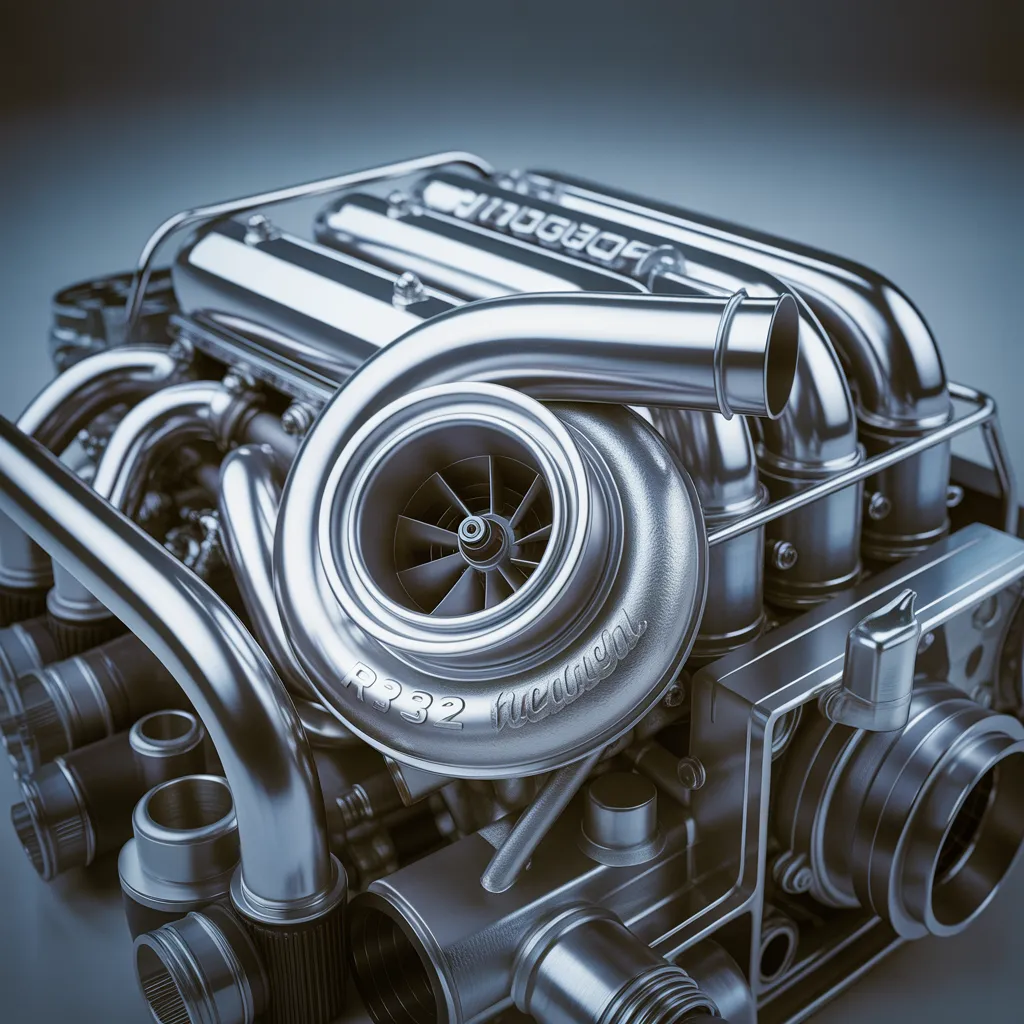
Fundamental Matching Factors for an R32 Powerplant
When exploring the acquisition of an R32 engine, interested buyers must recognize that compatibility is essential for optimal performance. To begin, they should confirm that the engine matches the specific model and year of the vehicle. Discrepancies in engine specifications can result in installation challenges or performance issues. Moreover, the drivetrain compatibility is paramount; the R32 engine must work in conjunction with the transmission and differential systems to perform as intended.
In addition, consumers ought to examine the electronic components. Suitability for the car's wiring harness and ECU is vital for smooth operation. Any incompatibilities can result in major technical complications. In addition, evaluating physical dimensions is crucial, as engine mounts and space constraints can impact successful installation.
Lastly, verifying suitability for performance upgrades is critical for buyers who want to upgrade their vehicle's capabilities. By taking these points into account, purchasers will be more prepared to arrive at a knowledgeable decision concerning their purchase of an R32 engine.
Primary Indicators of R32 Engine Health
When evaluating the overall state of an R32 engine, critical indicators consist of compression test results and an oil leak assessment. A compression test uncovers the engine's mechanical condition and power potential, while examining for oil leaks helps identify possible mechanical issues. Together, these evaluations provide critical insights into the engine's general dependability and lifespan.
Compression Test Results
A comprehensive cylinder pressure test is vital for evaluating the health of an R32 engine, as it offers critical insights into its overall condition. This procedure measures the pressure produced in each cylinder, indicating the engine's capability to sustain adequate compression levels. In most cases, healthy R32 engines should exhibit uniform compression values across all cylinders, generally ranging between 140 to 180 psi. Notable variations may suggest problems such as damaged piston rings, cylinder head problems, or valve deterioration. Low compression in one or more cylinders can indicate potential repair needs, compromising overall performance and longevity. Consequently, interested buyers should prioritize compression test results when evaluating an R32 engine to ensure they are investing wisely.
Oil Leak Examination
Inspecting for oil leaks serves as a vital process in determining the overall state of an R32 engine. Often, leaks can indicate deeper learn here problems including deteriorated seals, gaskets, or parts. A visual inspection is important; check for oil deposits around the engine block, oil pan, and valve covers. Take note of any accumulated or dripping oil under the vehicle, as this can point to a greater mechanical concern. Employing a flashlight can help expose hard-to-see leaks. Moreover, inspecting the oil level routinely can show if oil is disappearing or draining at an unusual rate. Addressing oil leaks promptly can prevent further damage and confirm the engine performs at its best, making it a key factor in the decision-making process when buying an R32 engine.
Assessing R32 Engine Performance Metrics
When assessing the R32 engine, grasping power output ratings is vital for determining its performance capabilities. Equally important is analyzing torque characteristics, as these metrics directly influence driving experience and responsiveness. A thorough examination of both factors delivers important information about the engine's overall efficiency and suitability for various applications.
Power Output Specifications
Power output ratings function as an essential standard for evaluating the performance of the R32 engine. Such ratings reflect the engine's potential to deliver horsepower, a key consideration for enthusiasts and buyers alike. Typically, the R32 engine is known for its robust output, regularly going beyond 250 horsepower, based on the specific model and modifications. Comprehending these figures allows prospective buyers to evaluate whether the engine meets their performance expectations. Additionally, comparing power outputs across different R32 variants can reveal significant differences that may impact buying choices. Purchasers ought to further examine the engine's overall condition, as usage wear may diminish performance. Fundamentally, reliable power output ratings deliver critical data into the complete abilities and prospects of the R32 engine.
Torque Characteristics Analysis
Torque specifications hold considerable importance in evaluating the overall performance of the R32 engine, adding to the horsepower ratings covered before. Measured in pound-feet or Newton-meters, torque demonstrates how effectively the engine can perform at multiple RPM levels. The R32 engine typically exhibits a broad torque curve, improving drivability and overall responsiveness, particularly during routine driving situations. Peak torque is typically generated at reduced RPMs, providing strong acceleration and improved throttle response. Enthusiasts often seek engines that maintain torque across a wider RPM range, as this contributes to a more engaging driving experience. As a result, knowing torque specifications is vital when assessing an R32 engine's performance and fit for particular driving requirements.
Key Things to Know About Maintenance Records
How essential are maintenance records when looking at the purchase of an R32 engine? Maintenance records provide vital insight into the engine's background and general state. They outline routine services, repairs, and any potential issues that were resolved over time. A well-documented service history indicates that the previous owner valued proper upkeep, which can lead to improved durability and output.
On the other hand, missing or incomplete records may indicate negligence or outstanding concerns, serving as warning signs for interested buyers. It's important to verify that regular service activities—such as timing belt replacements, oil changes, and fluid inspections—were carried out at suggested intervals. Prospective owners should additionally check for any modifications or upgrades documented in the records, as such changes can influence reliability and overall performance. At the end of the day, thorough maintenance records serve as a reliable tool for assessing the engine's history, providing peace of mind for prospective buyers.
How to Inspect Your R32 Engine's Physical Condition
When assessing an R32 engine's overall condition, it is critical to carry out a detailed assessment to recognize any evidence of deterioration or damage. Begin by examining the engine housing for rust, cracks, or corrosion, which can point to neglect or underlying issues. Check the oil for contamination; any milky appearance may suggest a failed head gasket. Check the timing belt and secondary belts for cracks or fraying, as these components are critical for proper engine function.
Evaluate the status of hoses and connections, looking for leaks or signs of deterioration. A careful examination of the exhaust system can expose rust or holes that might compromise overall performance. Pay attention to strange sounds when firing up the engine, as they may signal internal problems. To conclude, examine the mounting areas for any misalignment indicators, which can point to improper installation or past accidents. This detailed evaluation will help evaluate the engine's reliability and longevity.
Key Questions to Ask the Seller?
Assessing the vendor's awareness and openness is important when looking to buy an R32 engine. Interested parties should open by questioning about the engine's past, including prior adjustments and service documentation. Find out about the mileage and any known issues that could impact performance. Inquiries regarding the engine's coverage or return terms can also reveal the vendor's trust in what they are selling.
It is essential to inquire whether the engine has undergone any rebuilds or repairs, as well as information about the specific components that were replaced. Additionally, it is advisable for buyers to inquire about why the seller is parting with the engine, as this can reveal potential red flags. Finally, seeking references or ratings from former clients can help gauge the seller's reliability and reputation. Such questions are vital for reaching a well-informed conclusion and guaranteeing a positive buying experience.
Exploring R32 Engine Costs and Worth
Determining the price of an R32 engine demands a detailed look at multiple elements that affect its worth. Critical factors encompass the engine's condition, mileage, and maintenance history. An engine that has been properly maintained with fewer miles often demands a higher market value owing to its proven reliability and power potential. Additionally, obtaining an engine from a trusted supplier provides greater assurance in the buying process.
Market demand also plays a crucial part in determining prices; as enthusiasts pursue R32 engines, prices may fluctuate depending on availability and popularity. The engine's age, together with any alterations made, can further affect its value. For illustration, aftermarket upgrades may increase desirability, but they can also make reliability assessments more complex.
Ultimately speaking, detailed investigation into current market trends and equivalent listings is crucial for calculating a fair market value. Prospective buyers need to balance their financial plan with the engine's features to confirm a satisfactory commitment to their automotive project.
Frequently Asked Questions
What Are Popular Modifications for R32 Engines?
Common modifications for R32 engines include fitting a high-performance turbocharger, optimizing the exhaust system, reprogramming the ECU, mounting a performance-grade intercooler, and enhancing the air intake system, each intended to maximize horsepower and overall performance.
How Can I Tell if the Engine Is Genuine?
To determine if an engine is genuine, it is important to examine serial numbers, verify the presence of manufacturer stamps, and cross-reference components with official specifications. Furthermore, examining documentation alongside previous ownership history can provide further authenticity assurance.
Have There Been Any Specific Recalls for R32 Engines?
Indeed, there have been notable recalls for R32 engines, largely focusing on problems concerning fuel system components and emissions controls. Potential buyers are advised to verify recall information via official manufacturer resources or service records for assurance.
What Is the Typical Lifespan of an R32 Engine?
The typical lifespan of an R32 engine typically ranges between 150,000 and 200,000 miles, depending on driving conditions and maintenance. Regular servicing can greatly extend its longevity and performance in the long run.
Is It Possible to Swap an R32 Engine Into a Different Model?
Indeed, an R32 engine can be transplanted into a different model, however compatibility depends on the vehicle's make and necessary modifications. Comprehensive research and the right adjustments are vital to achieving successful integration and top-tier performance.